Electric Aircraft Approved for Pilot Training in Canada
Transport Canada certifies the Pipistrel Velis Electro for flight training, enabling Canadian flight schools in Toronto, Waterloo, and across the country to offer electric aircraft training for pilot licensing and sustainable aviation careers.
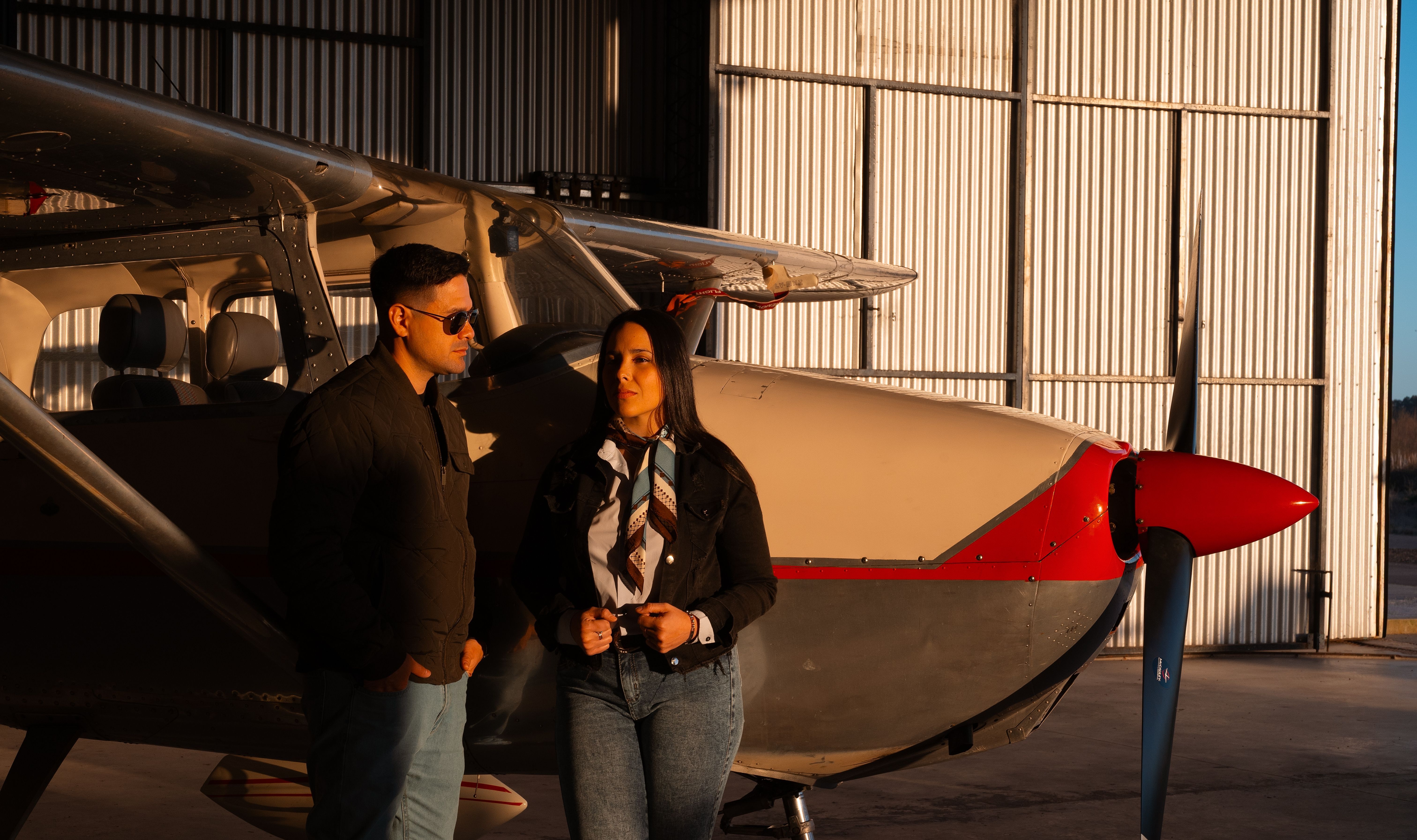
Transport Canada certified the Pipistrel Velis Electro. It is the country’s first type-certified electric aircraft. Flight schools across Canada can now use zero-emission aircraft for pilot training.
The certification comes after years of research and flight testing involving Transport Canada, the Waterloo Institute for Sustainable Aeronautics (WISA), Sealand Flight in British Columbia, and the Waterloo Wellington Flight Centre in Ontario.
From Research to Reality: The Path to Certification
The first Velis Electro landed in Canada in 2022. Transport Canada delivered it to the University of Waterloo’s WISA. By June 2023, WISA and the Waterloo Wellington Flight Centre ran flight tests that logged over 400 sorties. They collected data on battery performance, cold-weather operations, and energy management during real training flights.
Suzanne Kearns, Paul Parker, and Mehrdad Pirnia led the research program. Student pilots worked as research assistants and documented how the electric aircraft performed under Canadian conditions.
In July 2025, Transport Canada amended the Canadian Aviation Regulations and Standards (CARS) to allow electric aircraft in pilot training. By November 2025, the Velis Electro, Velis Club, and Explorer models received full type certification. Commercial flight training with electric aircraft became legal across Canada.
What the Pipistrel Velis Electro Brings to Flight Training
The Velis Electro was designed for flight training. It runs at about 60 decibels, much quieter than a piston-engine trainer. It produces zero direct emissions. Maintenance is simpler and operating costs are lower.
The aircraft works well for circuit training and early ab initio instruction. Students learn takeoffs, landings, and basic maneuvers with instant torque and smooth power delivery from the electric motor. Less mechanical complexity means the student can focus on flying.
Sealand Flight in Campbell River, British Columbia leads the way. Transport Canada approved the school for Canada’s first commercial electric flight in June 2024. Students fly the Velis Electro through their first solo, then switch to conventional Cessnas for advanced training. The blended approach saves money and builds skill.
What This Means for Flight Training in Toronto and Beyond
Electric training aircraft change the landscape for students in Toronto and across Canada:
- Lower training costs: Less fuel and less maintenance means cheaper training programs.
- Modern training environment: You fly electric propulsion technology now instead of waiting for it to arrive later.
- Environmental alignment: Zero-emission training matches the sustainability goals of Canadian airlines.
- Reduced noise impact: Quieter flights make it easier for schools to operate near urban airports without community complaints.
A Global Context: Canada’s Role in Electric Aviation
EASA certified the Velis Electro in 2020. The UK CAA followed in 2022. Transport Canada took a different path. It ran its own evaluation program and built regulatory frameworks for battery management, cold-weather operations, and minimum charge levels. Those rules will apply to every electric aircraft that enters the Canadian market.
Canada now has the regulatory infrastructure for sustainable flight training. Diamond Aircraft’s eDA40 and eVTOL manufacturers can use it.
International students from Colombia, the United States, and other countries looking at Canada for flight training get another reason to go. Transport Canada’s safety standards, international license conversion pathways, and now electric aircraft training give students a competitive edge in the global job market.
The Road Ahead
Sealand Flight won the first COPA Flight Training Unit of the Year Award in October 2025. More schools will add electric trainers as regulations mature and more aircraft become available.
Sky Aviation Club is tracking these developments and looking at how electric aircraft training can work for our students in Canada and abroad.